PHP Security: Who’s Really Keeping Your Website Safe?
What a recent PHP vulnerability reveals about website maintenance, online security, and the responsibilities business owners rarely see.
October 27, 2026
by:
Paul Carlon
Your website is often the first interaction someone has with your business. It helps customers find you, learn about your services, and decide whether you’re the right fit.
But behind every website is technology most business owners rarely think about. And while that technology usually works quietly in the background, keeping it secure requires ongoing attention.
A recently discovered security threat called PHP2Shell has brought that responsibility into focus.
It’s a reminder that website security isn’t just about strong passwords or keeping software updated. It’s also about understanding who’s responsible for maintaining the technology your business relies on.
First, What Exactly Is PHP?
You’ve probably heard the term PHP, especially if your business website runs on WordPress. But what does it actually do?
Simply put, PHP is a programming language that helps websites function behind the scenes.
Think of your website like a restaurant. Your visitors see the dining room, the menu, and the food arriving at their table. PHP is part of what happens in the kitchen, handling requests, retrieving information, and helping everything work together.
It’s been a foundational part of the internet for decades and powers millions of websites, including those built with WordPress.
Most business owners will never need to interact with PHP directly. However, like any software, it requires occasional updates to remain secure and compatible with other technologies.
And sometimes, those updates become particularly urgent.
What Happened With PHP2Shell?
On October 21, 2026, security updates were released to address two critical vulnerabilities in PHP, collectively known as PHP2Shell.
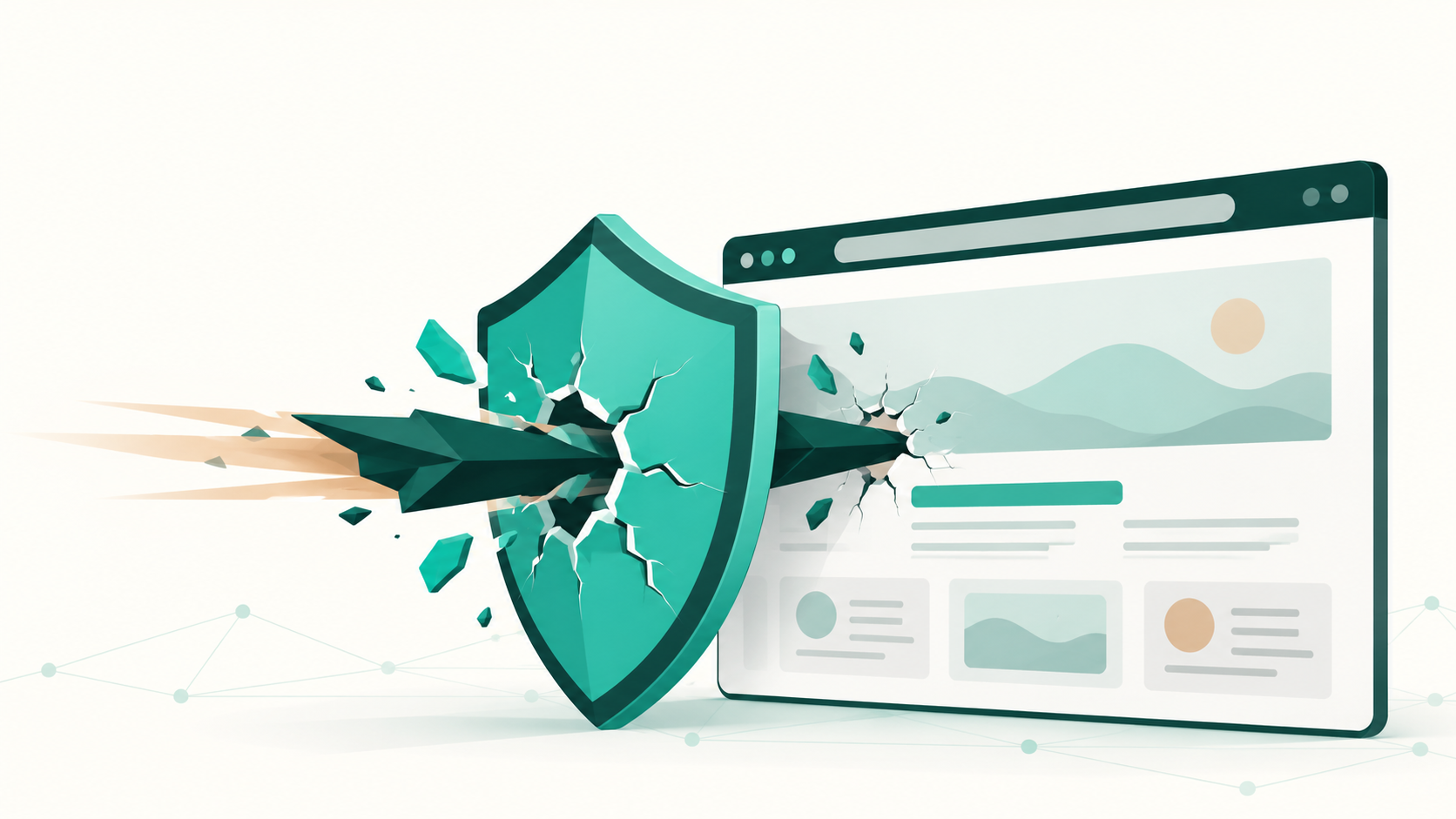
These vulnerabilities could potentially allow attackers to gain unauthorized access to vulnerable web servers, putting websites and their data at risk.
What makes PHP2Shell particularly significant is that the vulnerabilities were discovered in PHP itself, rather than in a specific website plugin or application.
That means websites built on platforms like WordPress could be affected even if their plugins, themes, and other software were up to date.
The good news is that security fixes were released. The challenge is ensuring those fixes actually reach the websites that need them.
And that’s where website maintenance becomes especially important.
The Part of Website Ownership You Don’t See
For most businesses, website maintenance means updating content, adding new pages, or making design improvements.
But there’s another side to maintaining a website that happens entirely behind the scenes.
Depending on how your website was built and where it’s hosted, maintaining it may involve updating server software, monitoring security vulnerabilities, checking compatibility between different systems, and maintaining reliable backups.
When a critical vulnerability is discovered, these responsibilities become much more urgent.
For developers and website administrators, responding to an incident like PHP2Shell can mean identifying affected websites, coordinating updates with hosting providers, creating backups, and verifying that everything continues working afterward.
It’s an important part of website ownership that most visitors, and many business owners, never see.
And while these responsibilities are manageable with the right support, they’re worth considering when choosing how your website is built and maintained.
Is WordPress Still a Safe Choice?
WordPress is one of the most widely used website platforms in the world, and its popularity is well earned.
It offers tremendous flexibility, a large developer community, and an extensive collection of tools that allow businesses to build highly customized websites.
But that flexibility can also introduce complexity.
Depending on how a WordPress website is configured, its security and performance may depend on several different components, including its hosting environment, PHP version, plugins, themes, and WordPress itself.
Each component may have its own updates and maintenance requirements.
That doesn’t mean WordPress is inherently unsafe. A properly maintained WordPress website can be secure and reliable, and many managed WordPress hosting providers handle significant portions of that maintenance.
However, it does mean businesses should understand what their hosting provider handles, what their developer handles, and what responsibilities remain with them.
The question isn’t necessarily whether WordPress is a good platform.
It’s whether the platform and maintenance approach are the right fit for your business.
A Different Approach to Website Security
Not every website needs the same level of flexibility or technical infrastructure.
For businesses that primarily use their websites to share information, showcase services, attract customers, and generate leads, a managed website platform can offer a different approach.
Platforms like Webflow manage much of the underlying hosting infrastructure and its security updates as part of their service.
Instead of requiring individual website owners or developers to manage PHP installations and server-level updates, those responsibilities are handled centrally by the platform provider.
That doesn’t eliminate every security concern. Account security, third-party integrations, and other potential vulnerabilities still require attention.
But it does reduce the amount of infrastructure maintenance a business needs to coordinate.
For many businesses, that’s a meaningful advantage.
It allows their website teams to spend less time maintaining the underlying technology and more time improving the website itself.
Who’s Responsible for Your Website’s Security?
Regardless of which platform your business uses, it’s worth understanding how your website is maintained.
Start by asking a few simple questions:
- Who’s monitoring for security vulnerabilities? Is someone actively keeping track of potential risks and available updates?
- Who’s responsible for applying updates? Does your hosting provider handle them, or does your website require ongoing developer involvement?
- What happens if something goes wrong? Are reliable backups available, and is there a plan to restore the website if an update or security incident causes problems?
You don’t need to know how to perform these tasks yourself.
But you should know who’s responsible for them.
Having those answers can help your business make informed decisions about website maintenance, hosting, and future development.
Building a Website That Works for Your Business
Security vulnerabilities like PHP2Shell will continue to emerge. That’s an unfortunate reality of modern technology, and no website platform is completely immune.
But the existence of vulnerabilities isn’t necessarily the biggest concern.
What matters is how they’re discovered, addressed, and managed.
A website should do more than look good and function properly on launch day. It should have a strong foundation and a clear plan for remaining secure and reliable over time.
At Cleverly, we believe choosing the right website platform means considering the long-term needs of the business, not just the initial design and development process.
That includes understanding ongoing maintenance, security responsibilities, and the resources required to keep everything running smoothly.
Because ultimately, your website should be working for your business, not creating another problem for you to manage.

